Serious training, in their own peer group.
Goju Ryu for teens 13 to 18 · Tweed Heads South Honbu · $99 for 3 weeks
Age-appropriate, controlled and supervised. Teens build confidence through real capability, not cringe. Beginners welcome, no experience needed.
Start Teens Karate Ready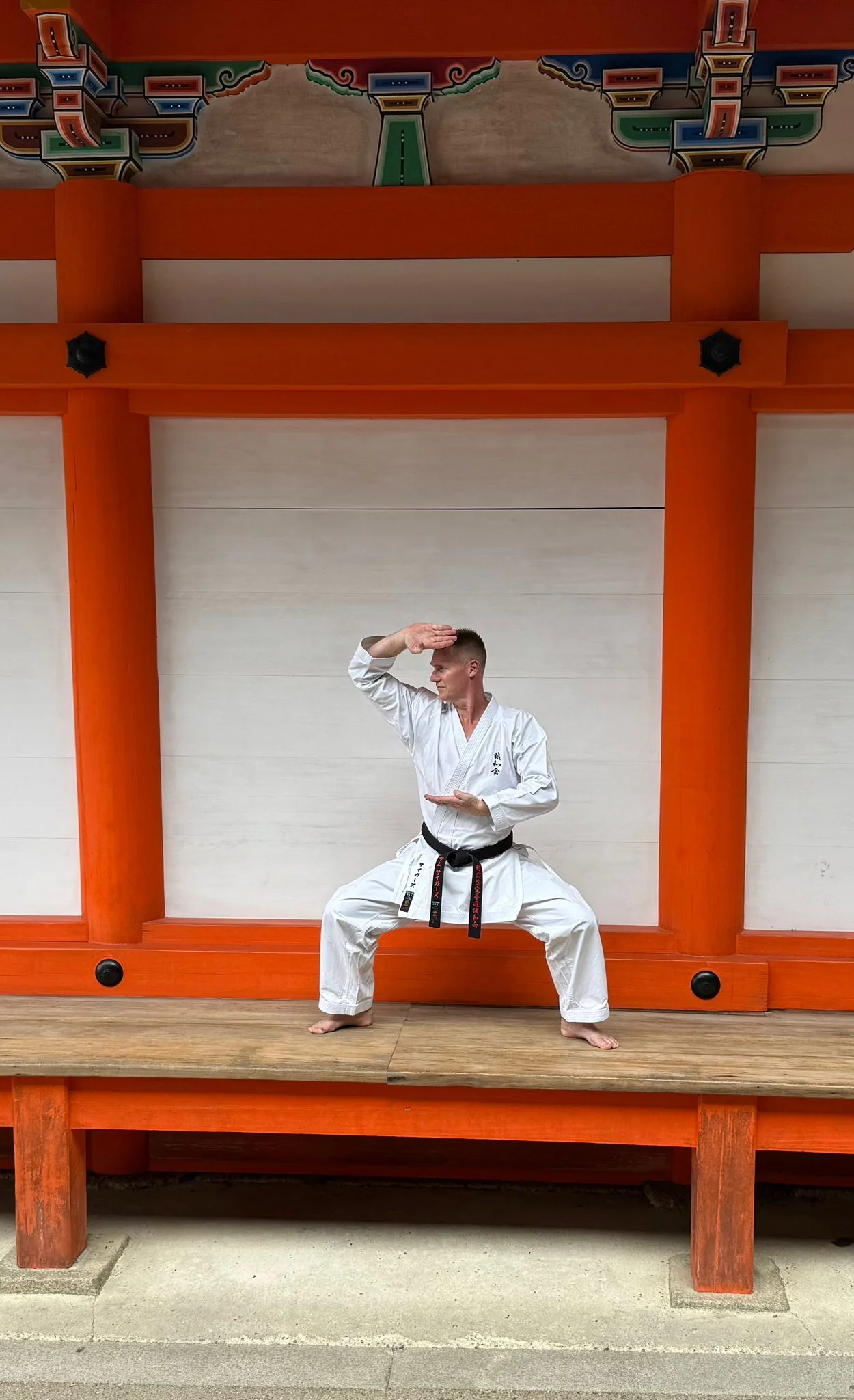
What you do not need to be.
Most teens walk in with the same quiet questions. Here is the honest answer.
You are NOT expected to be
- Fit
- Flexible
- Strong
- Already confident
- Skilled at anything athletic
You are expected to be
Coachable, respectful, safe, and willing to work.
Built for the age, not borrowed from the kids class.
Their own peer group
Teens train with other teens, with mature framing and individual progression. Never embarrassing.
For the self-conscious
No one is called out or put on the spot. Teens find their place at their own pace.
Confidence from capability
Real skill, not empty reassurance. Posture and bearing change within weeks.
Controlled and supervised
Sparring is optional and grade-appropriate. Always with protective gear and direct instruction.
Three weeks. Six sessions. Then you decide.
Seven in-dojo sessions in total: six training sessions across three weeks plus the Week 4 graduation, all backed by short home sessions through Skool Karate Weekly.
- Week 1
Dojo standards, etiquette and physical readiness
Two 30-minute sessions to settle you in. Bowing, etiquette and basic Japanese responses. Sensei reads your starting point.
Why: Week 1 is about knowing how the dojo works without performance pressure. Once you know the standards, you can train inside them confidently.
- Week 2
Balance, movement and body control
Balance drills, weight shifting, controlled movement, plus bodyweight strength and coordination. A home session via Skool.
Why: Karate is built on body control. Week 2 builds the prerequisites so the Week 3 techniques actually land.
- Week 3
Basic karate skills and class readiness
Strikes (straight punch, palm heel), kicks (front kick, knee strike), controlled pad and bag work, and moving basics.
Why: With the foundation in place you get the techniques. Sensei watches control, accuracy and listening.
- Week 4
Graduation session and parent showcase
A 45-minute Monday session with your parent attending. You demonstrate what you have learned and Sensei gives an honest readiness recommendation.
Why: The decision becomes real, not pressured. You have trained three weeks. The next call is yours.
What a session looks like
Each 30-minute session runs the same way, and the order matters.
What a typical teen activity intro does not.
Capability changes how they carry themselves.
Posture and bearing shift within weeks, which breaks the targeting pattern bullies use. Your teen learns that physical conflict is the last option, not the first, and the skills run in that order on purpose. We do not promise to eliminate bullying, but we will tell you honestly what we have seen work.
How Yushukan handles bullying →An honest answer, not a sales pitch.
Each art has strengths. Goju Ryu sits between BJJ and Taekwondo: striking, controlled close-range grappling, breathing work and a strong emphasis on character. A good teacher matters more than a good style. See our full honest comparison.
"Coachable beats talented every time."
From the Yushukan community
"Sensei Sam, Luke and the team are amazing. Patient and consistent. I have been going with my daughter for a couple of years now in Tweed Heads. It has been awesome to build strength, confidence and coordination and watch my daughter and her friends do the same. A great little community."
Antony Loomans
5 months ago
"Sensei Sam runs such a great karate dojo. We go as a family, and not only do we learn necessary skills, we also love the Japanese style tradition in the training. Highly recommend Yushukan Karate."
"This training has been so fun. My sons are motivated and I have learnt heaps. Great to have hands-on experience with small groups and knowledgeable senseis. Wish we had started sooner."
"My son had been doing karate with Sensei Sam for about 18 months before I joined in during a few sessions. Once I started I could not go back to sitting on the sidelines. Such a great way to keep fit and strong and tune both body and mind at the same time."
What we ask of you
You do not need to be perfect. You do need to do these things.
Attend all six sessions with a respectful attitude
Respect is the foundation. Without it, the rest does not work.
Try your best, even when something is hard
Effort is what gets praised here. Talent without effort is nothing.
Listen when the instructor is speaking
A teen who can listen learns far faster than one who cannot.
Practise self-control during drills
Control is what separates karate from a fight. We train it from day one.
Complete your Skool home sessions
What you do between classes is what makes the in-dojo time count.
Be honest at Week 4 about whether you want to continue
Karate you chose for yourself lasts. Karate forced on you does not.
Teens FAQ
My teen has never trained. Is that okay? +
My teen is self-conscious. Will they be put on the spot? +
Will karate make my teen more aggressive at school? +
Will karate help if my teen is being bullied? +
How is karate different from BJJ or Taekwondo for a teenager? +
How do I know Yushukan is not a McDojo? +
What does it cost after the 3 weeks? +
What's the mutual agreement? +
The safety and standards, in plain sight.
- Tweed Heads South Honbu Dojo
- Kids start from 7+
- Working With Children Check
- Public liability insurance
- Seiwakai / JKF Gojukai affiliated
- Traditional Goju Ryu lineage
- Transparent pricing
- No long-term lock-in
- Controlled, supervised, grade-appropriate training
Give your teen a serious start.
Start properly with a structured 3-week pathway. $99 to begin, $90 each for two or more family members. No pressure, no long-term lock-in.
Ask Which Class Is Right